
Health & Fitness · iOS
Balance: Meditation & Sleep
by The Mind Company

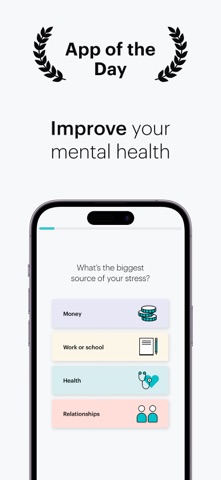


Balance assembles each session dynamically, drawing on a library of thousands of audio files and adjusting length, tone, and focus to your daily check-in answers. Structured 10-day Plans cover core techniques, bite-sized Singles fit commutes and quick resets, and interactive sleep tools round out the experience. A famously generous free-year offer lowered the barrier to entry considerably, and a 4.88 rating across 120,000 reviews signals that users respond warmly to the approach.
Personalized sessions adapt to your daily mood
Rather than serving a fixed recording to every user, Balance treats each session as a live build. A brief morning check-in captures your mood, energy, and intention, and the app stitches a custom session from its audio library in response. Over days and weeks the coaching genuinely seems to calibrate, shifting emphasis as your practice matures. Structured 10-day Plans introduce fundamentals methodically, while standalone Singles slot into a lunch break or a pre-meeting reset. Sleep tools lean on interactive wind-down exercises rather than passive audio. The core concept is well executed and meaningfully different from the browse-and-tap model most rivals use.
Stable performance at scale with light resource use
At 181 MB the install footprint is moderate for a media-heavy wellness app, and the audio-first nature means processor demands stay light during sessions. Version 1.205.0, updated in July 2026, reflects an active release cadence, which typically correlates with stable, well-patched performance. A 4.88 average across 120,000 ratings is an unusually high signal of consistent quality at scale; apps with rough playback or frequent crashes rarely sustain scores like that. Qualitatively, the daily check-in flow is quick and low-friction, which matters for a habit-forming tool where any extra tap can break the routine.
Subscription pricing matches rivals, rewards daily engagement
Balance is free to download, and the app built its reputation partly on a first-year free offer that let users experience the full adaptive system before committing. That promotion has evolved over time, so current terms are worth checking at install. The ongoing subscription sits in line with category competitors like Calm and Headspace. For users who actually engage with the personalization system daily, the value proposition is strong because the content effectively refreshes itself. Occasional or passive listeners who only dip in weekly may find a lower-cost or free alternative sufficient for their needs.
Mood data powers personalization, check privacy label first
Balance collects mood and behavioral data by design, since that information is the engine behind its personalization. What is retained, how long it is stored, and whether it is shared with third parties are questions best answered by reading the App Store privacy label on the app's product page, which Apple requires developers to keep current. As with any wellness app that logs daily emotional check-ins, it is worth reviewing those disclosures before building a long-term habit inside the platform. The content rating of 4-plus suggests no sensitive material, but data practices are a separate consideration from content maturity.
Minimal interface design reduces decision fatigue
The interface prioritizes the daily session flow, keeping navigation minimal and intentional rather than presenting an overwhelming content grid. That restraint is a deliberate design choice that suits beginners and reduces decision fatigue. Typography and contrast appear clean in standard use. For users who rely on VoiceOver or other assistive technologies, Apple's accessibility guidelines provide a baseline, though the depth of implementation varies by developer. The audio-centric nature of the app is inherently friendly to low-vision users, and the short check-in interactions avoid complex gestures. Overall the design philosophy aligns well with the calm, focused experience the app promises.
Active development cycle since 2019 launch
A July 2026 update on a version numbered 1.205.0 points to a high-frequency release schedule, which is a strong indicator of active stewardship. The app launched in September 2019, giving the development team roughly six years of iteration and user feedback to refine the adaptive engine. Sustained top-chart placement in the Health and Fitness category on iOS has clearly kept investment flowing. Regular updates also mean compatibility with new iOS releases tends to be addressed promptly, reducing the risk of the silent-breakage problem that plagues less-maintained wellness apps after major operating system upgrades.
Pros
- Adaptive session assembly makes each day feel genuinely personalized rather than recycled
- 4.88 average rating across 120,000 reviews reflects unusually consistent user satisfaction
- Frequent updates, most recently July 2026, indicate active development and timely bug fixes
- Structured 10-day Plans give beginners a clear, progressive path into meditation
Cons
- Single coaching voice means little variety if the style does not resonate with you
- Mood and behavioral data collection warrants a careful read of the App Store privacy label before committing
- Occasional or low-frequency users may not extract enough value from the adaptive system to justify subscription costs
Related guides
Similar Health & Fitness apps


apptidal is independent and ad-supported. We earn no commission on installs and no company can pay for a better score. How we stay independent.