
Security · iOS
Best VPN Proxy AppVPN
by ARCNICE PTE. LTD.
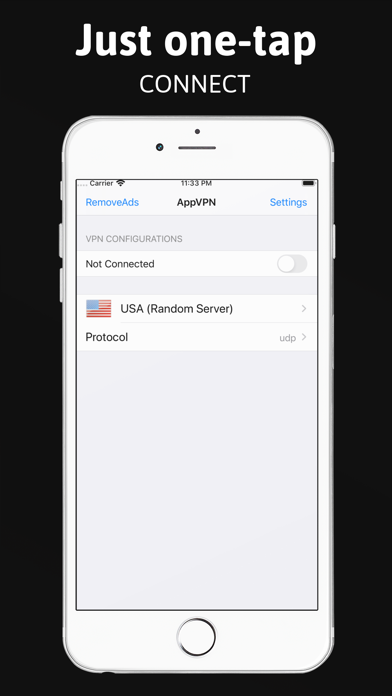
Released in 2015 and still receiving updates as recently as June 2026, AppVPN has accumulated over 33,000 ratings at a 4.51-star average, signaling a large and broadly satisfied user base. The core appeal is simplicity: no registration, one tap to connect, and a footprint of just 9 MB. Servers span roughly 19 countries. The free price point is attractive, but as with any no-cost VPN, the funding model and privacy practices deserve a careful look before you route sensitive traffic through it.
One-tap tunneling with basic server coverage
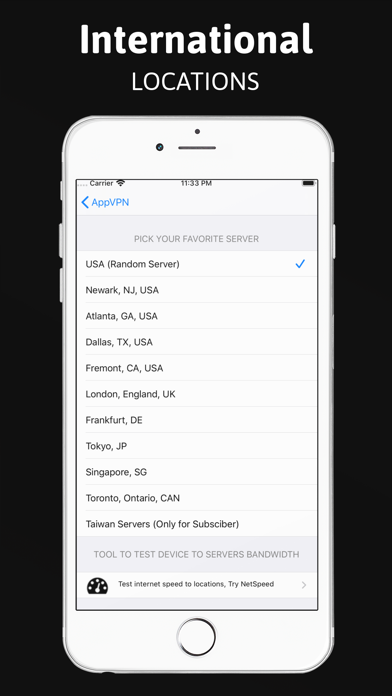
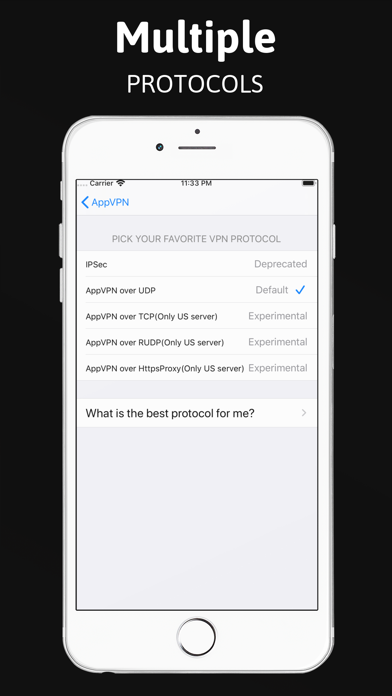
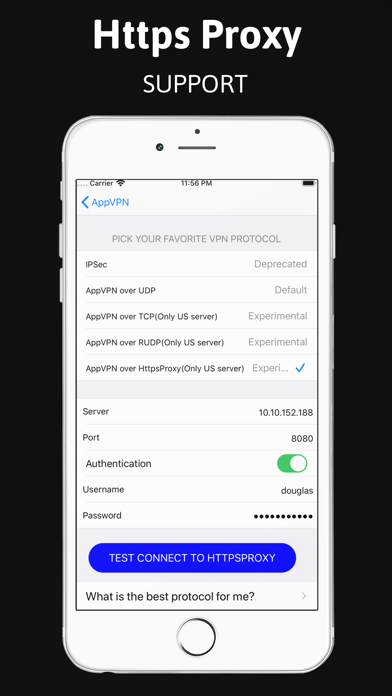
AppVPN does exactly what it advertises: a single tap triggers an iOS VPN configuration prompt, and within moments your traffic is tunneled through one of roughly 19 server regions, including the US, Japan, Brazil, India, Luxembourg, and South Africa. That geographic spread is reasonable for a free product and covers most casual travel scenarios. The no-account requirement is a genuine differentiator in a category where competitors routinely demand email sign-ups. Feature depth, however, is limited. There is no visible kill switch, no user-selectable protocol, and no split-tunneling option. For simple location masking on untrusted networks, it works. For anything more demanding, the toolset runs thin quickly.
Lean footprint suggests acceptable daily performance
Concrete speed figures are not something we can independently verify, so qualitative signals matter here. The 9 MB install size suggests a lean codebase with minimal on-device processing overhead, which is a positive indicator for battery and memory impact. A 4.51-star average across 33,000 ratings implies that most users are not reporting chronic connection failures or crashes, which would otherwise surface prominently in reviews at that volume. Free VPN servers are typically shared across many users, so congestion during peak hours is a realistic expectation. Travelers using it for occasional hotel or cafe protection will likely find it acceptable; anyone needing consistent throughput for streaming or large transfers should temper expectations.
Free tier useful for occasional use only
The app is free to download, and basic connectivity requires no subscription. In-app purchases are present, suggesting a premium tier exists, though the specific pricing is not detailed in the listing. For zero-stakes, occasional use, the free tier represents reasonable value simply because the barrier to entry is as low as it gets. Users who find themselves relying on it regularly would be better served evaluating whether a paid, audited VPN service offers stronger guarantees for a modest monthly fee. The free model is a useful trial mechanism; it is less compelling as a long-term privacy solution given the unanswered questions about infrastructure funding.
No-logs claim lacks third-party verification
AppVPN claims a no-logs, no-personally-identifiable-information policy, which is the standard assurance in this category. The critical caveat is that no third-party audit is cited to substantiate that claim, and developer ARCNICE PTE. LTD. does not carry the brand recognition of established VPN providers who publish regular transparency reports. Before trusting any VPN with sensitive traffic, reviewers recommend checking the App Store privacy nutrition label directly on the product page, as it discloses what data categories the developer self-reports collecting. Free VPNs funded by advertising or upsells have structural incentives that can conflict with strict no-logging commitments, and that tension is worth weighing carefully.
Minimal design favors accessibility and simplicity
The interface is deliberately minimal: a connect button, a server picker, and little else. That restraint benefits less technical users who want no learning curve, and it keeps the visual hierarchy clean. The single-tap flow aligns well with iOS conventions, and the app has a 4+ content rating, indicating nothing objectionable in the experience. Accessibility specifics, such as VoiceOver compatibility or Dynamic Type support, are not verifiable without hands-on testing, but the simple layout with large tap targets is structurally friendlier to assistive technologies than complex, data-dense interfaces. Users with accessibility requirements should verify VoiceOver behavior before relying on it.
Eleven years of updates demonstrate commitment
The maintenance record here is genuinely strong. AppVPN launched in July 2015, making it over a decade old, and version 9.4 was pushed in June 2026, confirming the developer has not abandoned the product. Reaching version 9.x over an eleven-year lifespan reflects sustained iteration rather than a set-and-forget release strategy. That longevity, combined with a 33,000-rating base, suggests the app has survived multiple iOS generations and Apple policy changes intact. Regular updates also reduce the risk of compatibility breakage on current iOS builds. The maintenance story is one of AppVPN's clearest strengths relative to the many short-lived VPN apps that populate the category.
Pros
- No account or registration required, the lowest possible onboarding friction
- Tiny 9 MB install size minimizes storage and likely on-device processing overhead
- Actively maintained across 11 years with a June 2026 update confirming ongoing support
- 4.51-star average across 33,000 ratings signals broad user satisfaction with core reliability
Cons
- No published independent audit to verify the no-logs privacy claim
- Free model with in-app purchases leaves infrastructure funding opaque
- No kill switch, protocol selection, or split-tunneling limits utility for serious privacy use cases
Related guides
Similar Security apps


apptidal is independent and ad-supported. We earn no commission on installs and no company can pay for a better score. How we stay independent.