
Social · iOS & Android
by Meta Platforms, Inc.
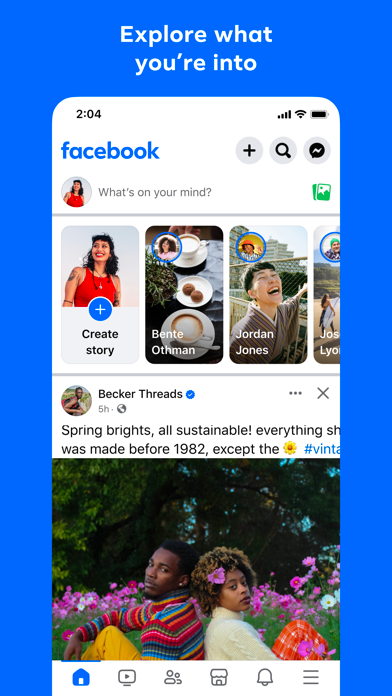





Meta's flagship app bundles Marketplace, Reels, Groups, Meta AI, and an algorithmic Feed into a single 460 MB package that attempts to be a complete social operating system. That ambition delivers real utility for specific use cases while simultaneously creating a cluttered, attention-demanding experience for everyone else. With 27.2 million ratings averaging 4.52 stars, the audience is enormous, yet the editorial picture is more complicated than that headline number suggests.
Marketplace and Groups justify the sprawl
Facebook covers an unusually wide surface area: social Feed, Stories, Reels, Events, Marketplace, Groups, Messenger integration, Meta AI chat, and Watch video. Two features genuinely earn their keep. Marketplace is a fast, browsable, and free local buy-and-sell tool with reach that dedicated secondhand apps struggle to match. Groups give niche communities structured homes complete with posts, polls, and member management that casual chat apps cannot replicate. Outside those pillars, the experience is more uneven. The Feed surfaces a heavy mix of sponsored posts and algorithmically recommended content from strangers alongside updates from actual friends, and tuning it is ongoing, effortful work rather than a one-time fix. Meta AI adds a quick in-app answer layer, though it competes for attention in an already crowded interface.
Acceptable performance hampered by app size
At 460 MB, Facebook is one of the heavier social app installs available, and that size reflects genuine complexity rather than padding. Launch times and scroll performance are acceptable on current mid-range and flagship hardware, though older devices can feel the strain. The app is updated on a very aggressive cadence, reaching version 570.0.0 by mid-July 2026, which signals active engineering investment but also means the interface shifts frequently enough to disorient regular users. Notifications can multiply quickly if left unmanaged, and the sheer number of surface areas means background activity is a real consideration for users watching battery or data consumption. Qualitatively, the experience is stable rather than snappy.
Free access trades attention for value
The app is free to download and use, with Meta's business model built entirely around advertising and data. There are no subscription tiers, no paywalled core features, and no in-app purchases required for standard use. The real cost is attention and data: the Feed is engineered to maximize time spent, and that design intention is worth factoring into any honest value assessment. For Marketplace users who would otherwise pay listing fees on competing platforms, the free access represents genuine financial value. For passive Feed browsers, the trade of personal data and attention for a cluttered social experience is a less favorable exchange.
Extensive data collection by design
Facebook's data practices are among the most scrutinized in the industry, and that scrutiny is warranted. The app's App Store privacy label is the authoritative source for what is collected and linked to your identity, and we recommend reading it before installing. Historically, Facebook collects an extensive range of data including location, contacts, browsing behavior, and purchase history for advertising purposes. Permissions requested on device typically include camera, microphone, contacts, and location, some of which can be restricted without breaking core functionality. Users who are uncomfortable with broad data collection will not find meaningful relief here; the business model depends on that collection. Reviewing iOS or Android permission settings after install is a practical first step toward limiting exposure.
Complexity outpaces usability and accessibility
The visual design follows Meta's current clean aesthetic, but the sheer volume of features packed into a single navigation structure creates genuine discoverability problems. New users face a steep learning curve locating Groups, Marketplace, or Events, and the bottom navigation bar has shifted layouts across recent versions. The content rating of 12+ reflects the platform's community standards rather than any particularly child-safe environment. On accessibility, Facebook supports Dynamic Type on iOS and offers some screen-reader compatibility, consistent with App Store guidelines, though the algorithmic Feed and auto-playing video can create challenges for users with attention or motion sensitivities. The overall design prioritizes engagement metrics over simplicity.
Weekly updates prioritize engagement over stability
Maintenance activity here is difficult to question. Version 570.0.0 shipped on July 14, 2026, continuing a pattern of near-weekly releases that has been consistent for years. Meta dedicates substantial engineering resources to the app, and bug fixes, security patches, and feature additions arrive at a pace that few independent developers can match. The risk is the opposite of abandonment: the update cadence is so aggressive that the interface rarely feels settled, and features are added, moved, or removed without much user warning. For a platform of this scale, active maintenance is a baseline expectation rather than a differentiator, but Facebook clearly meets it.
Pros
- Marketplace is a genuinely capable free buy-and-sell tool with wider local reach than most dedicated alternatives
- Groups provide structured community features, including polls, member management, and post organization, that lightweight chat apps cannot replicate
- Version 570.0.0 shipped July 14, 2026, reflecting one of the most aggressive update cadences of any app in its category
- Meta AI integration delivers quick in-app answers without requiring a context switch to a separate tool
Cons
- At 460 MB, the install footprint is among the heaviest in the social category and reflects a bloated feature surface
- Sponsored and algorithmically recommended content continues to dominate the Feed despite available personalization controls
- Data collection practices are extensive and deeply tied to the business model, offering users limited meaningful recourse
Related guides
Similar Social apps


apptidal is independent and ad-supported. We earn no commission on installs and no company can pay for a better score. How we stay independent.