
Social · iOS
Friendly Social Browser
by Friendly, Inc.
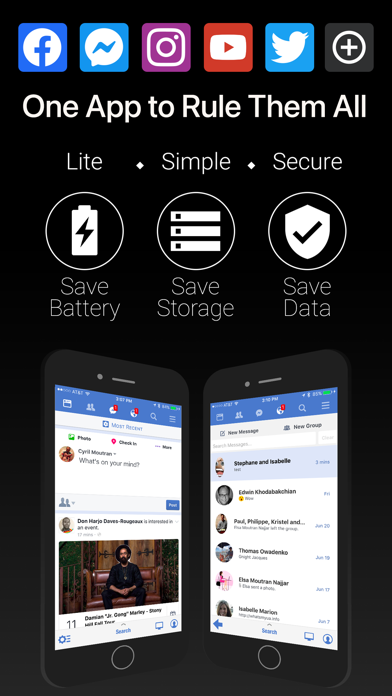
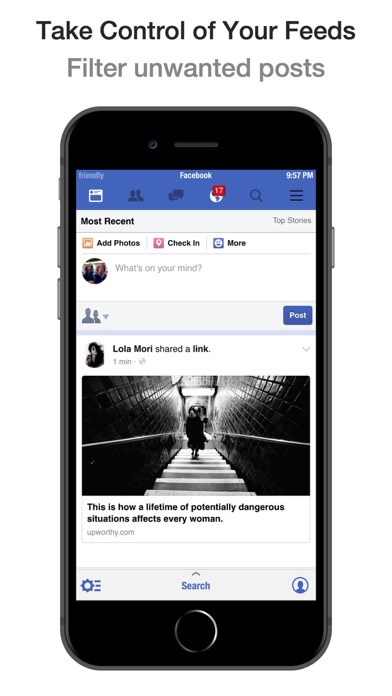
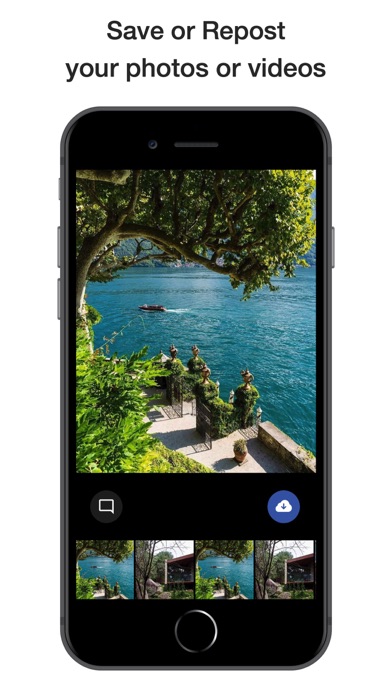
Released in 2010 and refreshed as recently as May 2025, Friendly Social Browser wraps the mobile web versions of eight-plus social platforms into one lightweight container. A 4.58 rating across 84,000 reviews signals genuine user satisfaction. The core pitch is consolidation: replace a stack of storage-hungry native apps, block ads across feeds and video, and manage multiple accounts per network without repeated logins.
Multi-account switching works smoothly despite web container limits
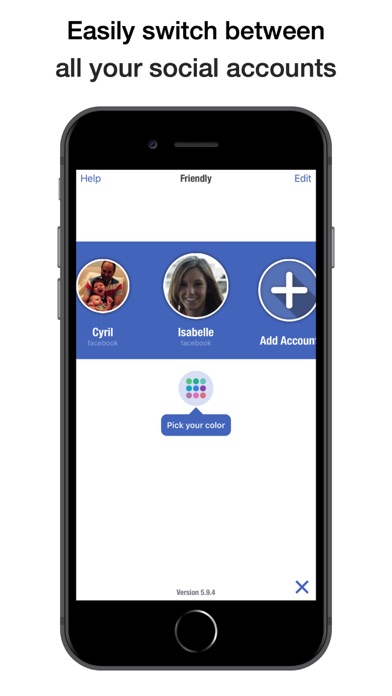
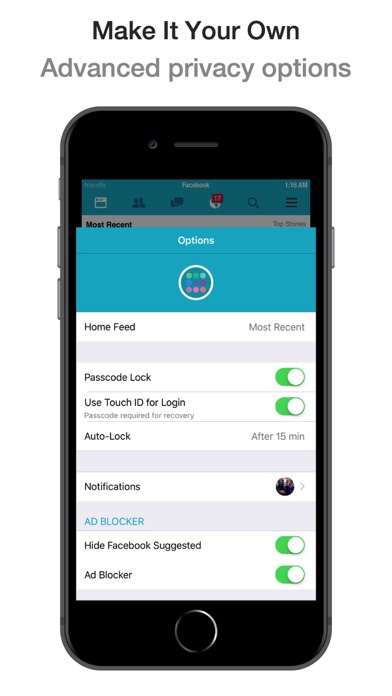
Friendly Social Browser handles its primary job competently. Switching between, say, a personal Facebook account and a work LinkedIn profile is smooth and requires no repeated authentication. The built-in ad blocker targets in-feed and in-video ads on platforms including TikTok and YouTube, which is the feature most users cite as the reason to stay. At 58 MB total, it replaces several native apps that individually exceed that figure. Coverage spans Facebook, Instagram, Twitter/X, Reddit, TikTok, LinkedIn, Snapchat, and more, making it genuinely broad. The caveat is structural: every platform runs inside a web container rather than a native SDK, so the experience is always the mobile web version of each service, not a purpose-built client.
Lean install size trades native performance for efficiency
Qualitative signals point to solid everyday performance. A 58 MB install is lean by modern standards, and the consolidation of multiple feeds into one process likely reduces the background-refresh overhead that native social apps are notorious for. The 84,000-reviewer base and a rating above 4.5 suggest crashes and slowdowns are not widespread complaints. That said, web containers can introduce perceptible load delays compared with native apps, particularly on older devices or slower connections. Push notifications and camera integrations, which depend on tighter OS hooks than a web layer provides, are the most commonly reported rough edges rather than outright failures.
Free tier serves multi-app users better than singles
The base app is free, which lowers the barrier to trying it considerably. In-app purchases exist, though the app's listing does not surface pricing prominently upfront, which is a minor transparency frustration. The value proposition is strongest for anyone currently running four or more native social apps: the storage savings alone can be meaningful on a 64 GB device. Users who need only one or two networks will find less compelling reason to trade native functionality for the wrapper approach. For the multi-network juggler, the free tier is likely sufficient for daily use.
Container isolation offers privacy benefits worth verifying
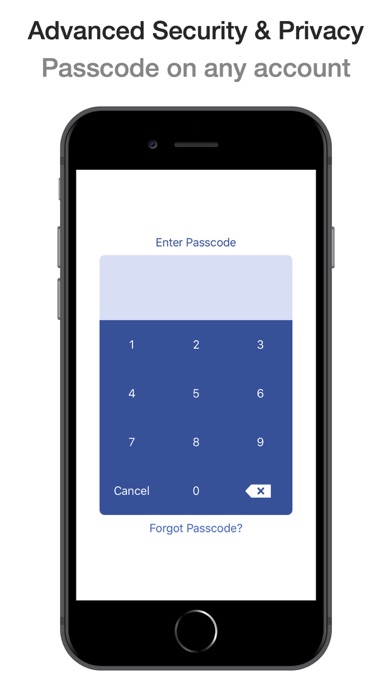
Friendly markets per-network web containers as a privacy benefit, and the isolation argument is reasonable: keeping each social platform in its own container limits the cross-app tracking that native apps facilitate through shared device identifiers. However, the app's actual data practices, including what it collects, what it shares with third parties, and what permissions it requests, are detailed in the App Store privacy nutrition label, which is the authoritative source and should be reviewed before installing. The content rating of 17-plus reflects the nature of the social platforms it accesses rather than anything specific to Friendly itself.
Intuitive interface undermined by assistive technology uncertainty
The interface follows a tab-based model that most iOS users will find intuitive, and the unified inbox concept reduces the need to hop between apps. Visual design is functional rather than distinctive. Accessibility is where the web-container approach creates real uncertainty: platform-specific gestures, Dynamic Type scaling, and VoiceOver optimizations that native apps implement at the SDK level may not carry through cleanly to a web layer. Users who rely on assistive technologies should test the app against their specific workflows before committing, as behavior can vary by platform and iOS version.
Fifteen years of updates suggest active maintenance
A release history stretching back to November 2010 combined with a version update in May 2025 is a strong signal of ongoing commitment. Reaching version 8.9.56 implies a disciplined release cadence over 15 years, not a project coasting on an old codebase. The risk inherent to any wrapper app is that platform operators, Facebook and TikTok in particular, periodically change their mobile web APIs in ways that break third-party clients. Friendly's longevity suggests the team responds to those breaks, but users should expect occasional disruption after major platform updates and monitor app reviews around those periods.
Pros
- Single 58 MB install replaces several native social apps that individually exceed that size
- Ad blocking covers in-feed and in-video placements across major platforms including TikTok and YouTube
- Multi-account switching per network requires no repeated logins, a genuine daily convenience
- Fifteen years of active maintenance and a May 2025 update indicate a reliable development track record
Cons
- Web container architecture means features can break silently whenever a platform updates its mobile site
- Push notifications and camera integrations behave less reliably than their native app equivalents
- In-app purchase pricing is not disclosed prominently upfront, making the full cost unclear before download
Related guides
Similar Social apps


apptidal is independent and ad-supported. We earn no commission on installs and no company can pay for a better score. How we stay independent.