
Education · iOS
Vocabulary Builder by Atlas
by SAYAN YAZILIM TEKNOLOJI ANONIM SIRKETI
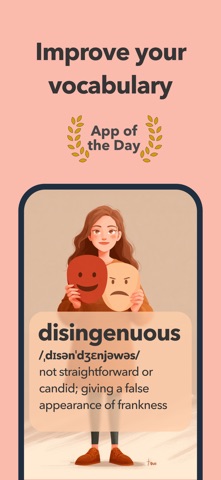
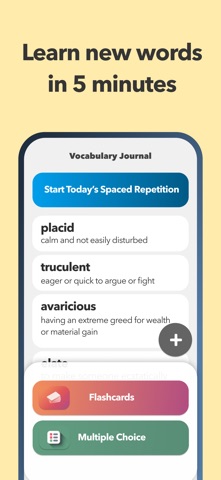

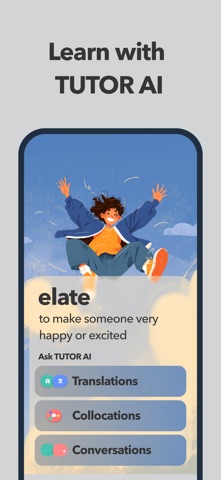
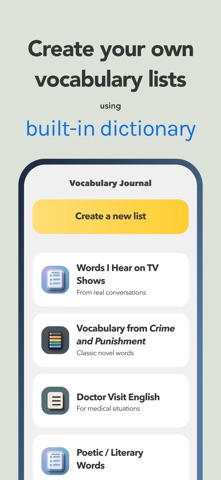

Released in February 2019 and updated as recently as July 2026, Atlas Vocabulary Builder has accumulated 12,000 ratings averaging 4.77 stars, a signal of sustained user satisfaction that is hard to dismiss. The app targets English learners from intermediate level upward, covering not just definitions but phrases, idioms, and real-world expressions. At 211 MB, the install footprint is reasonable for the breadth of content on offer.
Contextual learning goes beyond flashcards
Atlas goes considerably further than a digital flashcard deck. Rather than presenting isolated definitions, it weaves in idioms, set phrases, and contextual expressions, addressing the plateau many intermediate learners hit when they know words in theory but miss how those words behave in natural speech. Spaced repetition and personalized learning paths form the structural backbone, prioritizing long-term retention over one-session cramming. Exam prep for GRE, SAT, TOEFL, and IELTS is bundled into the same interface, which removes the need to juggle multiple apps. The breadth of scope is the clearest differentiator from simpler vocabulary tools, and the 4.77 average across 12,000 ratings suggests that scope is genuinely well executed rather than merely advertised.
Lightweight and polished after six years
A 211 MB install sits in a reasonable range for an app carrying multiple exam word sets, audio pronunciations, and adaptive learning logic. It is not featherweight, but it is far from bloated by modern standards. Version 7.13, reached after more than six years of iteration, points to a codebase that has been meaningfully refined rather than left to accumulate technical debt. Update cadence through mid-2026 is active, which typically correlates with stable, well-optimized builds. Qualitatively, a 12,000-strong rating pool with a near-5-star average makes sustained performance problems unlikely, since frustrated users reliably drag scores down over time. Specific battery draw or load-time figures are not something we can measure from available data, but the signals point to a polished daily-use experience.
Free tier with undisclosed premium pricing
The app is free to download, which removes any upfront financial risk. In-app purchases are listed as a possibility, and the honest caveat here is that the scope and pricing of those purchases are not disclosed before you install. A high aggregate rating across a large user base does suggest most people find sufficient value at the free tier, yet advanced learners chasing comprehensive GRE coverage, for example, should expect to probe the paywall early. If premium content is priced competitively against dedicated test-prep subscriptions, the consolidated multi-exam approach could represent genuine savings. Until you are inside the app, however, the true cost of an unrestricted experience remains an open question worth investigating before committing.
Privacy details require direct App Store review
The app carries a 4+ content rating, indicating no mature content concerns. For detailed privacy specifics, the App Store privacy label on the Atlas Vocabulary Builder product page is the authoritative source and should be consulted directly before installing. Language-learning apps commonly request permissions for notifications (to support spaced-repetition reminders) and may collect usage data to power personalized learning paths. Whether Atlas shares data with third parties, links any collected data to your identity, or offers meaningful data-deletion options are all questions the privacy label will answer. We recommend reviewing that label, particularly if you plan to use the app with younger learners despite the 4+ rating.
Clean design with untested accessibility features
A vocabulary app targeting test-prep audiences benefits from clean, distraction-free layouts, and the strong user ratings suggest Atlas delivers on that front. Personalized learning paths imply an onboarding flow that adapts to individual level and goals, which is a design choice that reduces friction for new users. Accessibility specifics, such as Dynamic Type support, VoiceOver compatibility, or high-contrast mode availability, are not verifiable from the data at hand. What is observable is that a 4+ content rating and a broad target audience create natural incentives for the developer to maintain legible typography and straightforward navigation. Learners with visual or motor accessibility needs should test the free tier before committing to any paid tier.
Continuous updates since 2019 signal reliability
Active maintenance is one of Atlas's clearest strengths. The app launched in February 2019 and reached version 7.13 by a July 2026 update, representing more than six years of continuous development and a version history that implies substantive feature work rather than cosmetic patches. Few vocabulary apps in the Education category sustain that kind of update cadence, and it matters practically because spaced-repetition algorithms, exam word lists, and iOS compatibility all benefit from regular attention. The combination of recent updates, a high rating volume, and a developer with an established product track record makes Atlas one of the more dependable long-term bets in its category.
Pros
- Covers idioms, phrases, and contextual expressions alongside standard definitions, addressing real conversational gaps
- Spaced-repetition and personalized learning paths prioritize durable retention over rote memorization
- Consolidates GRE, SAT, TOEFL, and IELTS prep into a single app, reducing the need for multiple resources
- Consistently maintained through version 7.13 with updates as recent as July 2026, signaling long-term developer commitment
Cons
- In-app purchase scope and pricing are not disclosed upfront, leaving the true cost of full access unclear
- Depth of advanced exam-specific word lists, particularly for GRE, is unverified and worth testing before upgrading
- At 211 MB the install is reasonable but not minimal, which may matter on storage-constrained devices
Related guides
Similar Education apps


apptidal is independent and ad-supported. We earn no commission on installs and no company can pay for a better score. How we stay independent.