
Utilities · iOS
Weather Underground: Local Map
by Weather Underground, LLC
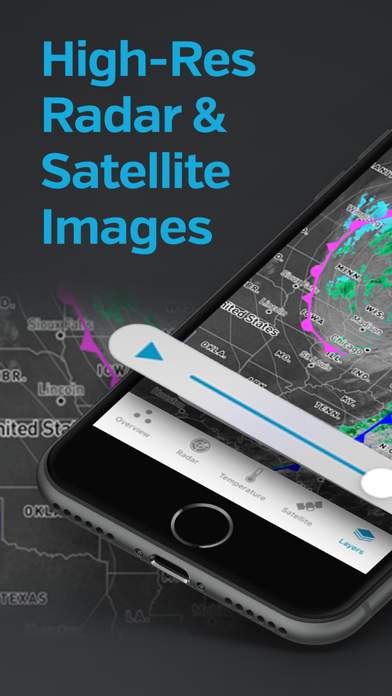
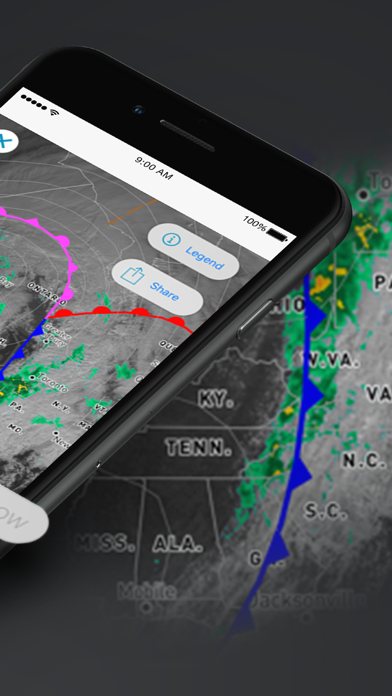
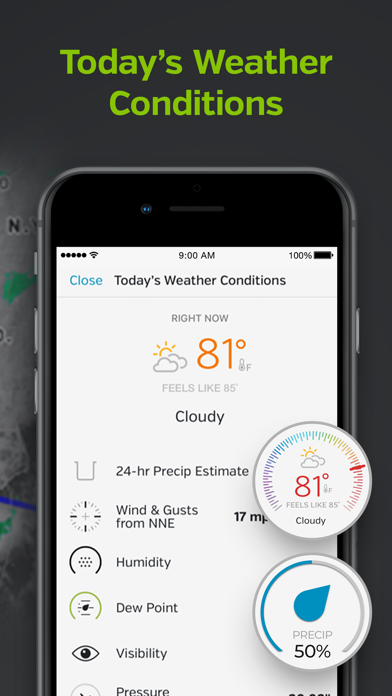
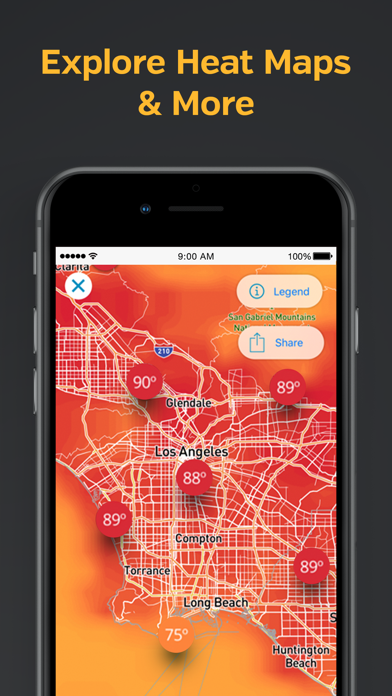
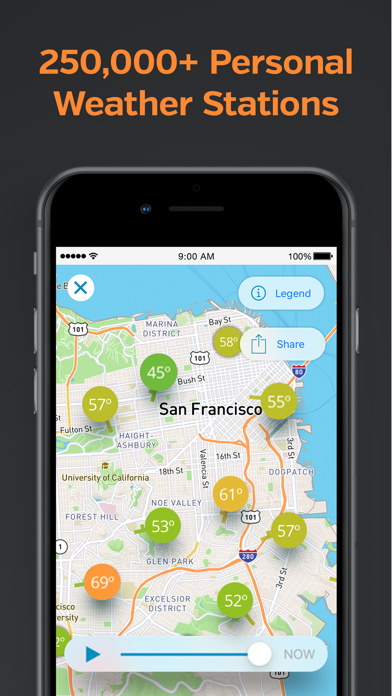
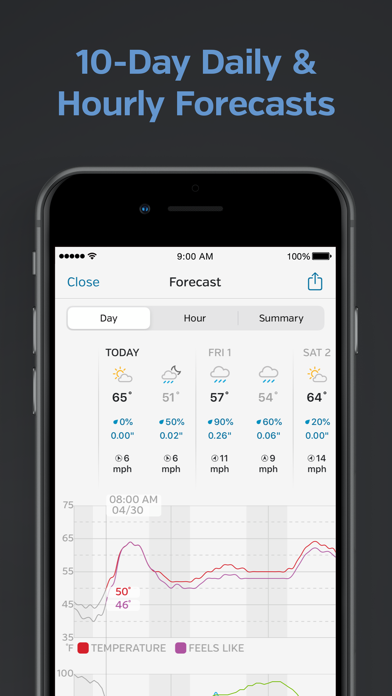
Active since December 2011, Weather Underground built its reputation on a network of more than 250,000 personal weather stations, giving users readings that national services simply cannot replicate at the block level. The 90 MB app bundles real-time conditions, interactive Nexrad radar, and customizable alerts into one package. A 3.92 rating across 32,000 reviews signals a loyal but occasionally frustrated audience, which matches the day-to-day experience fairly closely.
Hyperlocal data delivers, execution varies
The central promise here is hyperlocal data, and Weather Underground largely delivers on it. Rather than relying solely on government-operated sensors, the app taps a crowd-sourced network of personal weather stations, meaning a station two blocks from your home may be reporting conditions right now. That distinction matters enormously in valleys, coastal zones, urban heat islands, and any area with sharp microclimates. Beyond raw conditions, the app provides a 10-day forecast with hourly precipitation breakdowns, interactive Nexrad radar for tracking moving storms, and configurable severe weather alerts. The feature set is genuinely comprehensive; the execution, however, can feel uneven depending on which station happens to be closest to you.
Stability issues surface on older devices
A 3.92 average drawn from a large 32,000-review pool suggests friction that surfaces often enough to matter. User feedback historically points to occasional crashes, slow radar tile loading, and an interface that prioritizes data density over quick readability. The 90 MB install size is on the heavier side for a utility app, hinting at embedded map assets and radar layers that can tax older devices. On the positive side, the June 2025 update confirms the team is still actively addressing issues, and users on current hardware generally report a more stable experience. Casual users wanting a two-second umbrella check may find the layout overwhelming; power users willing to configure it tend to get more out of it.
Free tier covers basics, ads included
The app is free to download, which removes any upfront barrier. That said, the free tier almost certainly includes advertising and may gate certain features behind in-app purchases, as is standard for this category. For users who primarily want the personal weather station network and basic radar, the no-cost version covers the core value proposition reasonably well. Those who find ads disruptive during a quick storm check should budget for an upgrade. Compared to paid weather apps in the same range, Weather Underground's hyperlocal data advantage is a meaningful differentiator that can justify the spend for anyone whose location makes official forecasts unreliable.
Location access essential, review privacy label
Weather Underground is owned by The Weather Company, itself a subsidiary of a large technology conglomerate, which is worth keeping in mind when considering data practices. Location access is essential for the app's core function and will almost certainly be requested. Additional permissions for notifications support the severe weather alert system. For a precise picture of what data is collected and shared, the App Store privacy nutrition label on the app's product page is the authoritative source. We recommend reviewing that label before installing, paying particular attention to data linked to your identity and any third-party advertising disclosures given the ad-supported free tier.
Cluttered interface overwhelms casual users
The interface reflects years of incremental additions rather than a unified design vision, and the result can feel cluttered, especially on smaller screens. The radar view and station map are functional and reasonably intuitive for users already familiar with weather data, but new users may need time to orient themselves. Standard iOS Dynamic Type and display accommodations should apply, as the app targets a 4-plus content rating and broad audience. No specific accessibility certifications are claimed, and the data-dense layout could present challenges for users who rely on simplified, high-contrast displays. A cleaner information hierarchy would meaningfully improve the experience for a wider range of users.
Active updates since 2011 show commitment
Version 6.21 and a confirmed update on June 30, 2025 are both encouraging signals. For an app released in December 2011, reaching version 6.21 reflects steady iteration rather than neglect, even if it falls short of a ground-up redesign. The fact that the developer continues to push updates more than 13 years after launch suggests the product remains a priority. That said, the version number and long release history also mean accumulated technical debt is a real possibility, which may explain some of the stability complaints visible in the review pool. Continued maintenance is a genuine strength relative to abandoned weather apps in the same category.
Pros
- Network of more than 250,000 personal weather stations provides block-level readings unavailable from national services
- Interactive Nexrad radar and 10-day hourly precipitation forecasts included at no upfront cost
- Customizable severe weather alerts tied to your precise location
- Actively maintained with a confirmed June 2025 update after more than 13 years on the App Store
Cons
- A 3.92 rating across 32,000 reviews points to recurring stability and usability frustrations
- Free tier is ad-supported and likely paywalls certain features, interrupting quick checks
- Personal weather station data quality varies by station owner, occasionally producing outlier or stale readings
Related guides
Similar Utilities apps


apptidal is independent and ad-supported. We earn no commission on installs and no company can pay for a better score. How we stay independent.