
Finance · iOS
Money Lover: Money Manager
by Finsify JSC
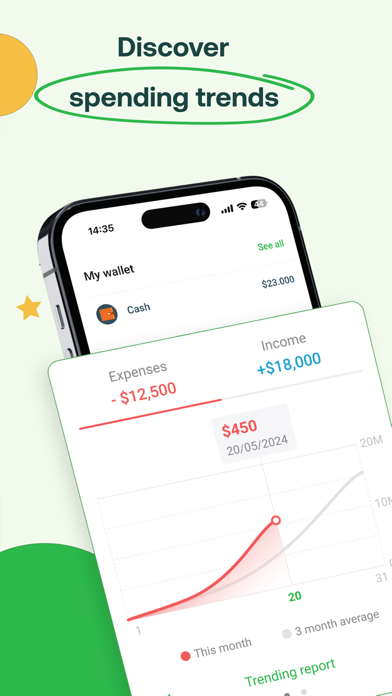
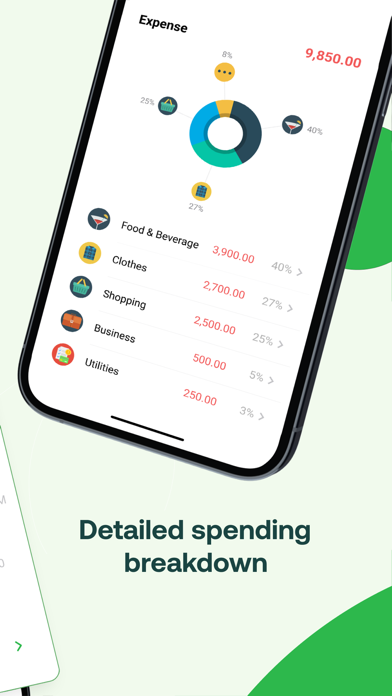
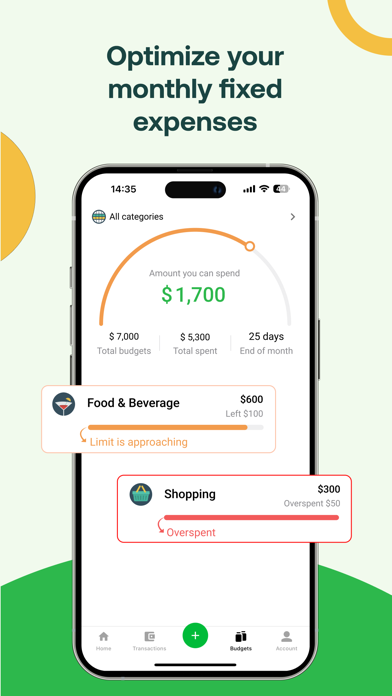

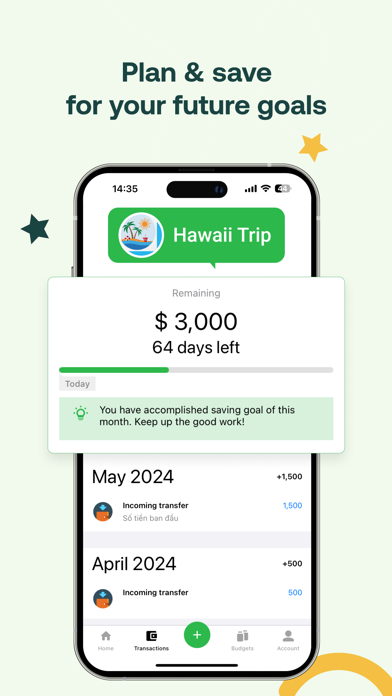
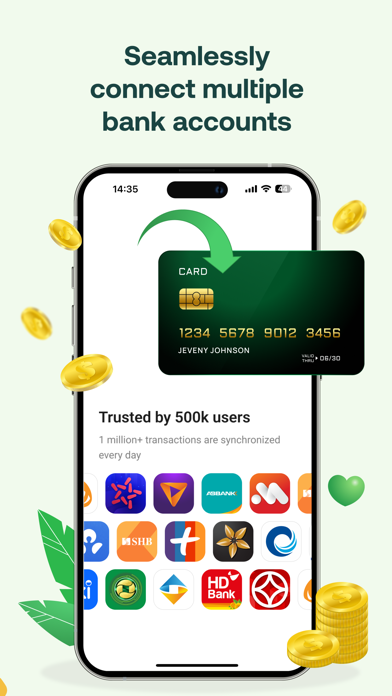
Released in December 2011, Money Lover is practically ancient by app-store standards, yet Finsify JSC has kept it current enough to earn a 4.61 rating from roughly 2,000 reviewers. Version 8.74.0, updated in July 2026, covers transaction tracking, budgeting, bill reminders, debt management, and multi-currency support, all behind a free download with optional in-app purchases layered on top.
Comprehensive feature set reduces tool juggling
Money Lover positions itself as a comprehensive personal finance hub rather than a narrow expense logger. Core features span manual transaction entry, category-based budgeting, recurring bill reminders, debt and loan tracking, and multi-currency wallets, a combination that genuinely reduces the need to juggle separate tools. A home screen widget lets users log a purchase without opening the full app, which removes the friction that quietly kills most budgeting habits. A built-in calculator further streamlines entry. The breadth is real and functional, though the depth of each feature behind the free tier versus a paid subscription remains something new users must investigate before committing their financial data to the platform.
Heavy install size masks stable performance
At 279 MB, the install footprint is notably heavy for a finance tracker, sitting well above the category norm and worth considering on storage-tight devices. That said, a large binary often reflects rich offline functionality rather than bloat, and the app's consistent update cadence suggests the team is actively optimizing rather than neglecting the codebase. The 4.61 store rating across 2,000 reviews points to a stable, relatively crash-free experience for most users. Biometric authentication adds a meaningful security layer without adding friction to the daily open-and-log routine. Cross-device sync rounds out the daily workflow for users who switch between an iPhone and an iPad.
Free tier hides paid feature boundaries
The free download makes the initial commitment essentially zero, which is the right pricing posture for a budgeting app asking users to hand over sensitive financial habits data. The honest caveat is that the scope of in-app purchases is not disclosed upfront in the App Store listing in a way that makes the free-versus-paid boundary immediately clear. Users should open the app, navigate to subscription or upgrade screens, and map out exactly which features, such as cloud sync, advanced reports, or unlimited wallets, sit behind a paywall before building workflows around them. For travelers who need multi-currency support, even a modest subscription could justify itself quickly compared to maintaining parallel spreadsheets.
Privacy label review essential before use
We do not fabricate privacy findings. The authoritative source for what Money Lover collects, links to your identity, and uses for tracking is the App Store privacy label on the app's product page. Finance apps as a category typically request access to notifications for bill reminders and may request biometric APIs for authentication. Users should review the privacy nutrition label before installation, pay particular attention to any data linked to identity or used for third-party advertising, and check whether optional analytics permissions can be declined. Given the sensitivity of financial transaction data, a careful read of that label is genuinely worthwhile here.
Familiar interface masks feature density
Money Lover's interface reflects over a decade of iterative refinement, which cuts both ways. The layout is familiar and navigable, with a tab-based structure that keeps transactions, budgets, and bills within one or two taps. The home screen widget is a thoughtful design decision that signals the team understands how habit formation works. Feature density, however, is real: new users who want only bare-bones expense logging may find the onboarding surface cluttered. On accessibility, the app carries a 4+ content rating and targets a broad audience, but users who rely on VoiceOver or Dynamic Type should test the app directly, as we cannot independently verify screen-reader performance without hands-on testing.
Thirteen years of active development
A July 2026 update on a foundation laid in December 2011 is a strong signal of genuine long-term commitment. Many personal finance apps from the same era have been abandoned or sold, making Money Lover's continued active development a meaningful differentiator. Version 8.74.0 suggests a high iteration count, and the update history visible in the App Store can confirm whether releases address bugs and compatibility or merely increment version numbers. The relatively modest 2,000-review count is the one flag worth noting: for an app over thirteen years old, that sample is thin, which could mean the user base is smaller than the app's longevity implies or that review prompts are infrequent.
Pros
- Home screen widget meaningfully reduces the logging friction that kills budgeting habits
- Multi-currency wallet support is a practical differentiator for frequent travelers
- Bill reminders and debt tracking consolidated in one app reduce tool-switching
- Actively maintained with a July 2026 update on a thirteen-year-old foundation
Cons
- 279 MB install size is notably heavy for a personal finance utility
- Free-versus-paid feature boundaries are not clearly disclosed before users commit their data
- Only 2,000 ratings is a thin review sample for an app with over a decade on the market
Related guides
Similar Finance apps


apptidal is independent and ad-supported. We earn no commission on installs and no company can pay for a better score. How we stay independent.