
Finance · iOS
My Budget - Expense Tracker
by Tiago Pitteri
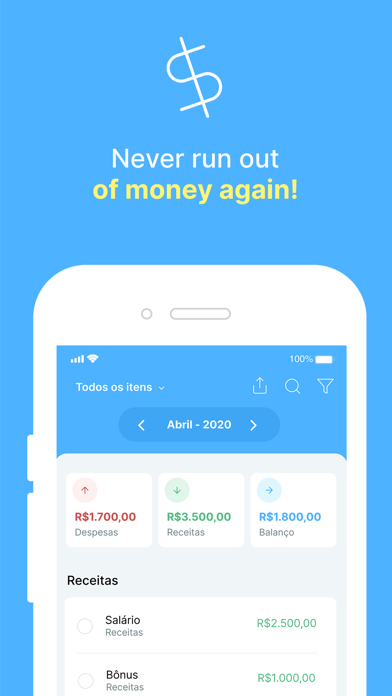
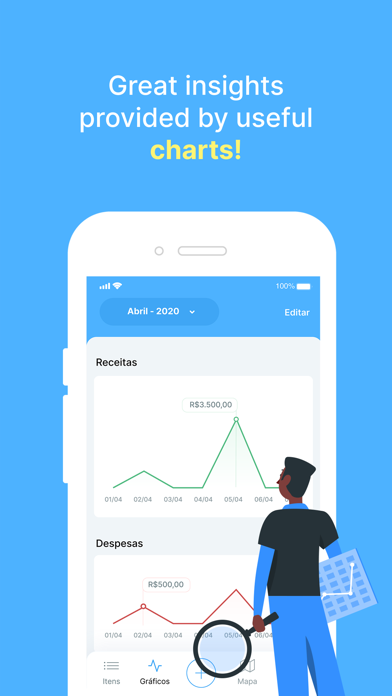
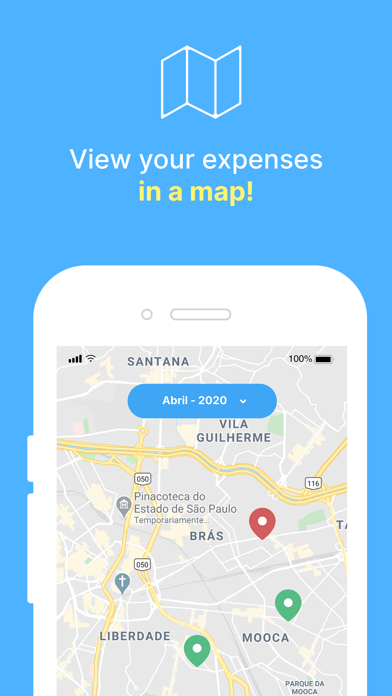
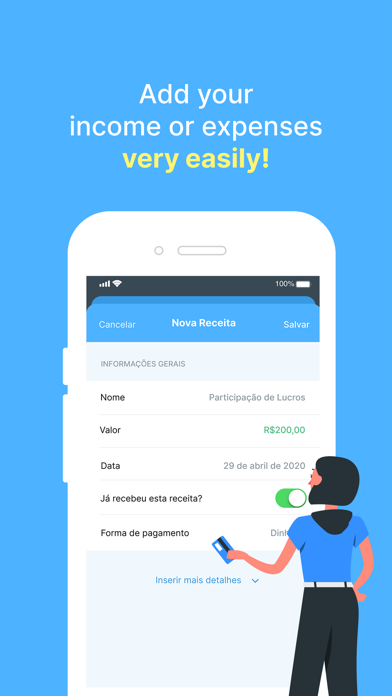
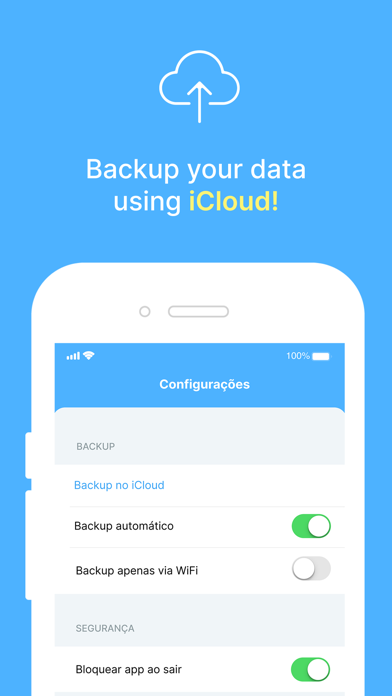
Released in 2015 and updated as recently as July 2026, My Budget from developer Tiago Pitteri is a lightweight, 47 MB finance app aimed at users who find spreadsheets intimidating. Custom categories, cloud sync, and a clean transaction log form the core experience. Nearly 100 ratings averaging 4.65 stars is a modest but respectable signal for a solo-developer project. Ads on the free tier can be removed via a premium upgrade.
Manual entry limits appeal to light spenders
The central loop here is refreshingly focused: log a transaction, assign it a category, and watch your spending picture take shape in summary reports. Custom categories are a genuine strength, letting you organize expenses around your real life rather than fighting against generic presets. Cloud sync and backup add meaningful peace of mind, ensuring your records survive a lost or replaced phone. What the app does not do is equally important to understand. There is no apparent bank connectivity or card import, meaning every entry requires manual input. For light spenders tracking a handful of daily transactions, that is manageable. For anyone with high transaction volume across multiple accounts, the manual-only workflow will become a real friction point fairly quickly.
Lightweight app loads quickly on modern iPhones
At 47 MB, My Budget sits comfortably within the lightweight end of the Finance category, suggesting a lean codebase without heavy on-device processing demands. Qualitatively, apps of this size and scope typically load quickly and respond without noticeable lag on modern iPhones. The July 2026 update on a 2015 codebase is a positive signal, indicating the developer has kept pace with iOS changes rather than letting the app stagnate. The relatively small rating count of 97 means the dataset for gauging real-world stability is limited, but the 4.65 average does not surface patterns of crashing or data-loss complaints that would otherwise drag that figure down.
Free tier includes ads, premium option available
The free download removes the financial barrier to entry entirely, which is appropriate for a first budgeting app. The trade-off is advertising inside a context where distraction genuinely matters. Seeing an ad while reviewing your monthly spending is a different experience from seeing one in a game, and it is worth factoring that into your decision. The premium tier removes ads, though the pricing is not disclosed in the available data, so prospective buyers should check the App Store listing before committing. For casual users content with occasional ads, the free version delivers real utility at no cost. Anyone planning to use the app daily will likely find the upgrade worthwhile.
Review privacy label before storing financial data
Because this app handles personal financial data, privacy deserves careful attention before downloading. The App Store privacy nutrition label for My Budget is the authoritative source for understanding exactly which data types are collected, how they are linked to your identity, and whether any data is shared with third parties. Ad-supported apps commonly collect identifiers and usage data to serve targeted advertising, so the free tier may carry a broader data footprint than the premium version. We recommend reviewing the privacy label directly in the App Store and checking what permissions the app requests at install time, particularly around network access used for cloud sync.
Decade-old design refined through iterative updates
Apps that have survived a decade in the App Store and continued receiving updates generally reflect iterative design refinement based on user feedback, and My Budget appears to follow that pattern. The focus on quick transaction logging and category-based reporting suggests a UI built around minimal steps rather than feature density. On accessibility, the app carries a 4+ content rating and targets a broad audience, but specific support for Dynamic Type, VoiceOver, or other iOS accessibility features is not verifiable from the available data. Users who rely on assistive technologies should test the app during any free trial period or consult recent accessibility-focused reviews before depending on it.
Eleven years of updates signal active development
A July 2026 update on an app first released in June 2015 is a genuinely encouraging sign. Many solo-developer finance apps from that era have been abandoned or removed from the store entirely, making eleven years of continued support notable. Version 2.10.0 suggests a steady cadence of incremental improvements rather than a single legacy release left to decay. The small reviewer base of 97 ratings does raise a reasonable question about the scale of the developer's infrastructure commitments, particularly for cloud sync and backup features. That said, the consistent update history and strong average rating together suggest Tiago Pitteri remains engaged with the project.
Pros
- Actively maintained through July 2026, an impressive eleven-year development track record for a solo project
- Custom categories let users shape the app around real spending habits rather than rigid presets
- Cloud sync and backup protect financial data across device changes and losses
- Lightweight 47 MB install keeps device storage and load-time impact minimal
Cons
- Ads appear on the free tier inside a finance context where focus and trust genuinely matter
- Manual-only transaction entry creates meaningful friction for users with high spending volume
- A reviewer base of just 97 ratings limits confidence in long-term infrastructure reliability
Related guides
Similar Finance apps


apptidal is independent and ad-supported. We earn no commission on installs and no company can pay for a better score. How we stay independent.