
Tools · iOS
Days Since: Quit Habit Tracker
by A Couple of Friends OOD

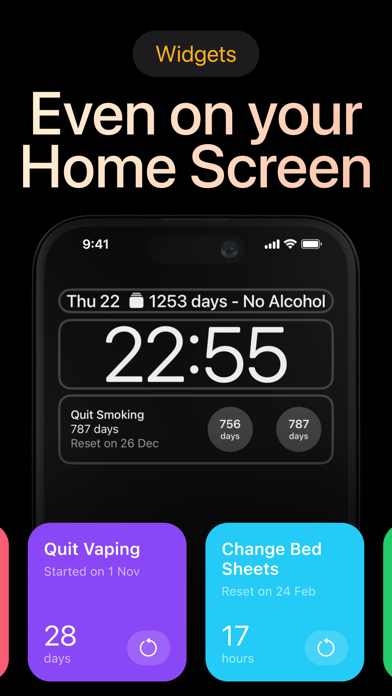

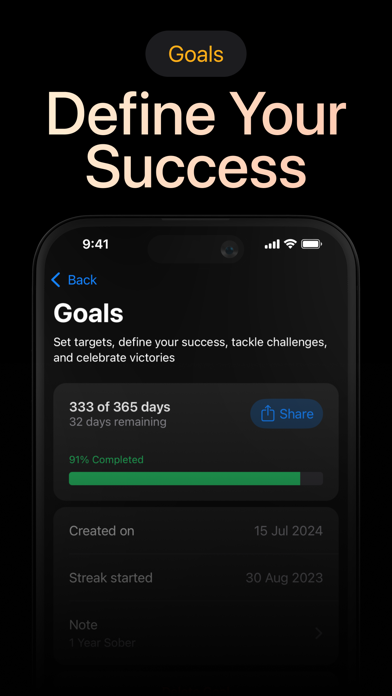
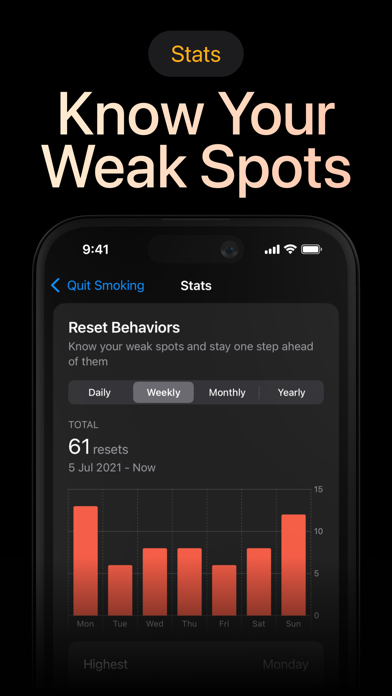
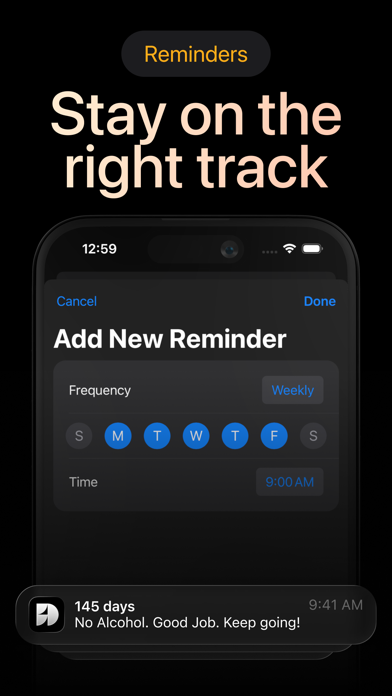
Days Since does exactly one thing: it records the last moment you engaged in a bad habit and counts every second since. No coaching scripts, no badge systems, no social feeds. With 18,000 ratings averaging 4.82 stars and continuous updates since 2019, the stripped-back formula has clearly found a devoted audience. The real question is whether a running clock alone can sustain motivation once the novelty of that guilt mechanism fades.
Effective loss aversion for habit tracking
The entire value proposition rests on a single psychological hook: set a timestamp, then watch the app display exactly how many days, hours, and minutes you have protected. Resetting that counter feels like a genuine, tangible loss, which turns out to be a smarter motivator than a cheerful badge or a generic streak graphic. The framing is personal and specific rather than algorithmically encouraging, and for habits tied to a clear last-occurrence moment, like smoking, drinking, or nail-biting, it is genuinely effective. Multiple counters can run simultaneously, so tracking several habits at once is straightforward. The concept is narrow, but within that narrow lane the execution is confident and purposeful.
Reliable performance across seven years
Qualitative signals point toward a smooth, reliable experience. An 88 MB install size is on the heavier side for what is essentially a timer interface, though modern devices absorb that without issue. The 4.82 average across 18,000 ratings is unusually high for a utility app, suggesting crashes and bugs are not common complaints among the user base. Version 4.0.12, released as recently as July 2026, indicates the developer is actively addressing issues rather than letting the codebase stagnate. Day-to-day, the app appears to stay out of your way, surfacing the counter when you need it and demanding nothing when you do not.
Free core app with optional purchases
The base app is free, which removes any barrier to trying the core mechanic. In-app purchases exist, but their exact scope and pricing are not disclosed in public metadata, so we recommend reviewing the purchase options inside the app before committing. For users who find the free tier sufficient, the value is hard to argue with. For those considering unlocking premium features, the app's track record and rating volume suggest the developer has earned a degree of trust, though independent verification of what those purchases actually add is worth doing before spending.
Privacy label available for review
We cannot responsibly characterize the app's data practices without fabricating specifics. What we can say is that Apple requires all iOS developers to complete a privacy nutrition label, and Days Since has one available on its App Store listing. Before installing, check that label for details on data collected, data linked to you, and any third-party tracking. Pay particular attention to whether habit data, which can be sensitive health-adjacent information, is stored locally or transmitted to external servers. The content rating of 12-plus does not itself indicate privacy risk, but it is worth a careful read regardless.
Minimal design supports accessibility needs
The interface philosophy appears to prioritize clarity over decoration, which generally benefits accessibility as much as aesthetics. A minimal layout with large, readable time displays is more likely to cooperate with Dynamic Type and VoiceOver than a heavily animated, graphic-dense alternative would be. That said, we have not conducted formal screen-reader testing, so users who rely on assistive technology should verify compatibility before depending on the app daily. The 12-plus content rating implies no mature content concerns. Overall, the design sensibility, judged by the app's longevity and rating consistency, seems to land well with a broad audience.
Sustained updates through multiple iOS versions
The maintenance record here is genuinely strong. A release date of August 2019 combined with a last update of July 2026 means the developer has sustained the app across seven years and multiple iOS generations, which is a meaningful signal of commitment. Version 4.0.12 suggests iterative refinement rather than a single launch-and-abandon approach. The 18,000-rating sample size also implies an engaged user base large enough to surface bugs and request improvements, giving the developer ongoing incentive to keep the product current. For a free utility, that longevity is reassuring.
Pros
- Exceptionally high 4.82 average rating across a large 18,000-review sample signals genuine user satisfaction
- Elapsed-time framing creates real psychological friction against resetting, making accountability feel personal rather than gamified
- Actively maintained through July 2026 across seven years of iOS updates, demonstrating long-term developer commitment
- Supports multiple simultaneous habit counters, making it practical for users tackling more than one behavior at once
Cons
- No relapse support, coping strategies, or structured guidance means users in crisis have nowhere to turn within the app
- 88 MB install footprint feels disproportionate for an app whose core function is displaying a running timer
- In-app purchase details are opaque in public metadata, requiring users to open the app before understanding the full cost picture
Related guides
Similar Tools apps


apptidal is independent and ad-supported. We earn no commission on installs and no company can pay for a better score. How we stay independent.